

Epilepsy surgery profoundly changed Julie Bournival’s life. On April 21, 2012, while she was at work, a nearly 30-minute epileptic seizure suddenly turned her daily life upside down.
Epilepsy: A condition that can appear overnight
After that first seizure, the episodes quickly became more frequent. They occurred during the day and at night, while she was exercising, driving or carrying out other daily activities. Sometimes they happened several times a week, even up to twice a day.
“Life can change in an instant. You only realize the true value of your health when you lose it.”
Determined to understand what was happening to her, Julie documented everything: the circumstances surrounding her seizures, her symptoms and the sensations she experienced. Whenever possible, her relatives even recorded some episodes on video. Despite her efforts, answers were slow to come.
During this period, she lost her driver’s license, had to stop working and underwent a series of medical trials at hospitals in her region. But Julie’s seizures remained poorly controlled and the side effects were significant.
Having been a dedicated competitive hip-hop dancer for years, Julie was also forced to put this essential part of her life on hold. The independence she had always been proud of gave way to a reliance on family and friends for transportation and everyday activities.
“I found myself depending on others for so many things that I used to do naturally on my own.”
Despite everything, Julie never lost hope. When she was finally referred to the CHUM’s neuroepilepsy program, she felt as though a door had opened.
Finding answers at the CHUM

At the CHUM, Julie was put under the care of Dr. Bérubé, a specialized epileptologist. In 2013, she was admitted to the Long-Term Monitoring Unit for ten days so that her seizures could be thoroughly evaluated and characterized.
The diagnosis was finally confirmed: complex partial epilepsy originating in the right temporal lobe.
This was a defining moment. For the first time since the onset of her illness, Julie felt truly understood and supported.
“I finally felt like I was in good hands. The entire team was highly skilled, reassuring and deeply compassionate.”
Additional highly specialized tests followed, including magnetic resonance imaging (MRI), magnetoencephalography (MEG) and the WADA test. The results showed that her epilepsy was drug-resistant, so medication alone would not be enough.
The goal was clear. Beyond controlling the seizures, it was crucial to protect her brain from the long-term effects of ongoing epileptic activity.
Her neurosurgeon, Dr. Bouthillier, then presented an interesting option: surgery.
Epilepsy surgery that changed the course of her life
On September 10, 2014, Julie underwent right temporal lobe surgery at the CHUM. The procedure offered tremendous hope, but the weeks that followed were far from easy. The pain was significant. The fatigue was constant. Adjusting medications had its own set of challenges.
But despite these difficult moments, Julie never felt abandoned.
“The surgery was a turning point, but life didn’t stop there. The CHUM remains a safety net.”
Julie especially remembers the constant support of the healthcare professionals who accompanied her, including Vanessa Léger, a clinical nurse who played a key role in her follow-up care and recovery.
Even today, many years after her surgery, Julie continues to benefit from quick access to her care team whenever needed. Recent monitoring sessions and occasional treatment adjustments remind her that her healthcare network is always there for her.
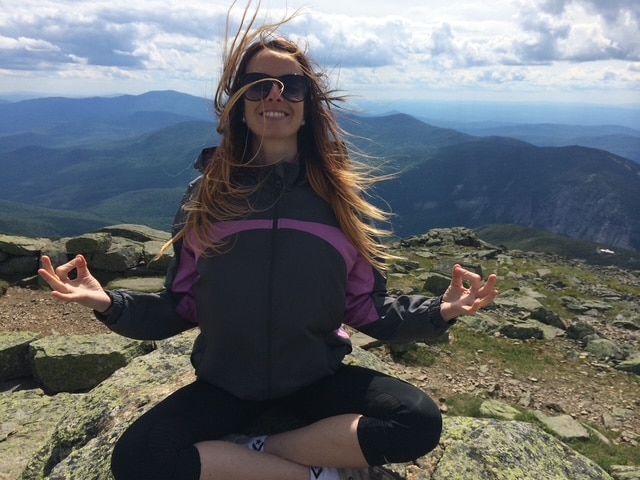
Reclaiming her life, one step at a time
Julie gradually regained her independence. She got her driver’s license back and returned to work as a special education technician, after adapting certain aspects of her practice to better manage stress.
Most importantly, she reclaimed a part of herself she feared had been lost forever: dance. Today, she dances regularly, with the same passion that defined her before her illness.
“I live with some lasting effects, especially related to memory, but they do not define my intelligence or my worth.”
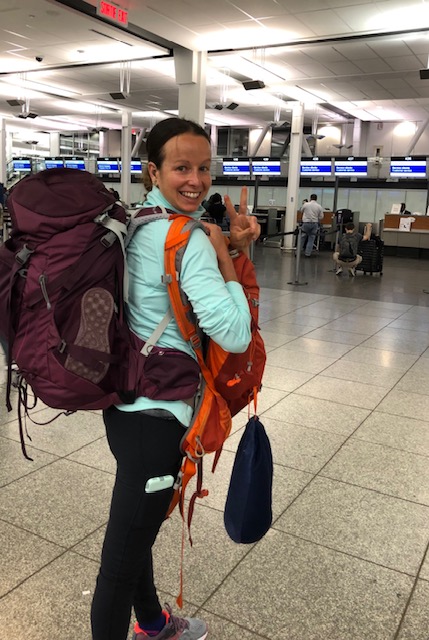
Her resilience also led her to pursue new adventures. In 2019, after regaining her confidence, she fulfilled a dream she had postponed for years: setting off on a solo backpacking trek through Switzerland.
She still embraces that memory with deep gratitude.
Giving back
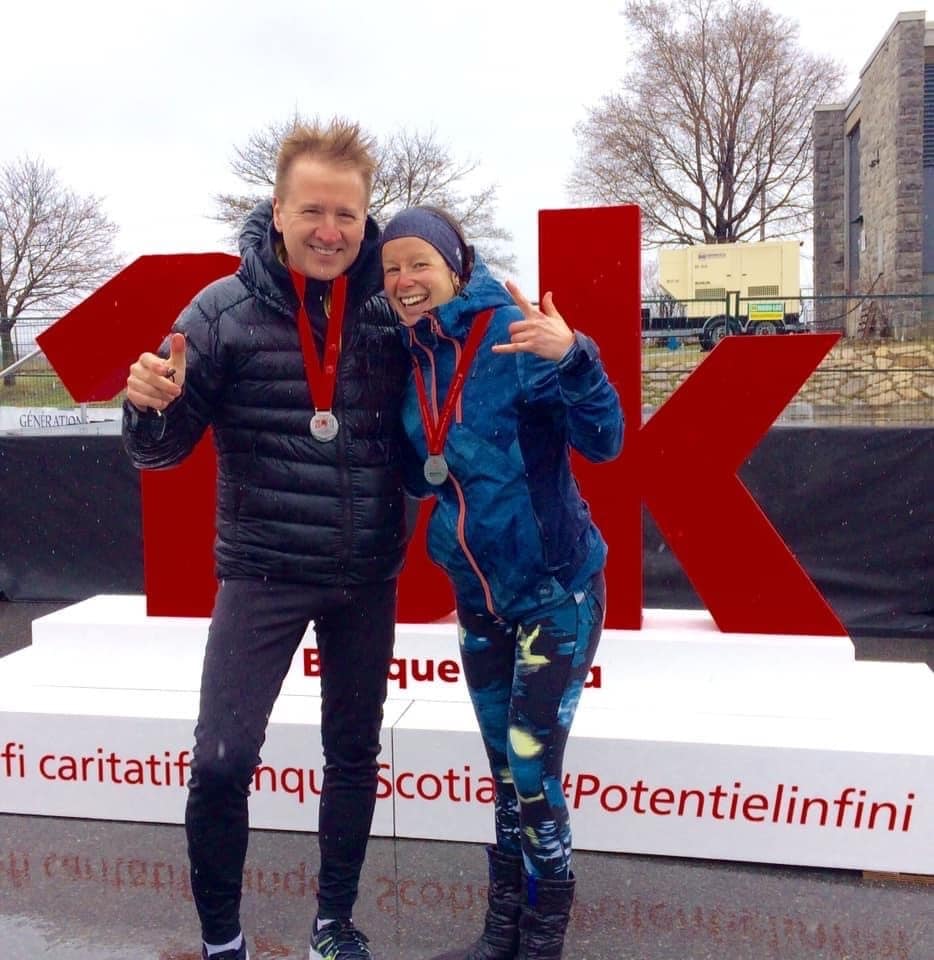
Grateful to the teams who supported her, Julie has been involved with the CHUM Foundation for several years. She has participated in fundraising events and activities dedicated to neuroepilepsy. One of her most memorable experiences was running her first 10-kilometre race alongside Dr. Bouthillier.
For Julie, this engagement is a concrete way of thanking those who helped her regain her health.
“Giving to the Foundation means helping one another, supporting each other as a community and paying it forward.”
Although she now lives outside Montreal, Julie hopes to continue this support, in particular to the advancement of epilepsy research.
Any reference to “CHUM” refers to the institution whose full legal name is Santé Québec – Centre hospitalier de l’Université de Montréal.