


A diagnosis marks the start of a long journey
In 2001, when Denis Cormier-Piché learned he had human immunodeficiency virus (HIV), he kept the news to himself. At first, he didn’t tell anyone about his diagnosis.
Over the years, however, advances in HIV treatments have turned the infection into a chronic illness. For Denis, like many people living with HIV, these breakthroughs gave him hope in a brighter future.
But his health journey took a new turn when he developed kidney problems.
In 2013, Denis noticed the first symptoms of kidney failure associated with an infection. The disease progressed over the years, impairing his kidney function and requiring multiple dialysis sessions per week.
For three years, life’s burdens got a lot heavier: Denis had approximately 12 hours of dialysis per week, a highly restrictive diet, a limit of one litre of fluids per day and restrictions on potassium-rich foods.
Every day was about limitations: treatments, restrictions and waiting for a donor.
A three-year wait and plenty of disappointment
Denis had been waiting for a kidney for three years when his doctors finally told him a potential donor had been found. However, his hope quickly gave way to disappointment, as the transplant had to be cancelled due to a compatibility issue with the kidney.
In 2015, he was also temporarily taken off the Transplant Québec waiting list after developing heart failure and receiving a defibrillator. As soon as he was eligible again, Denis was placed back on the list and the wait for a donor resumed.
Then, a new opportunity arose. This time, the donor had HIV like him.
At the time, a transplant between two people with HIV had never been performed in North America before. Denis was faced with an extraordinary and very personal decision.
A life-changing decision
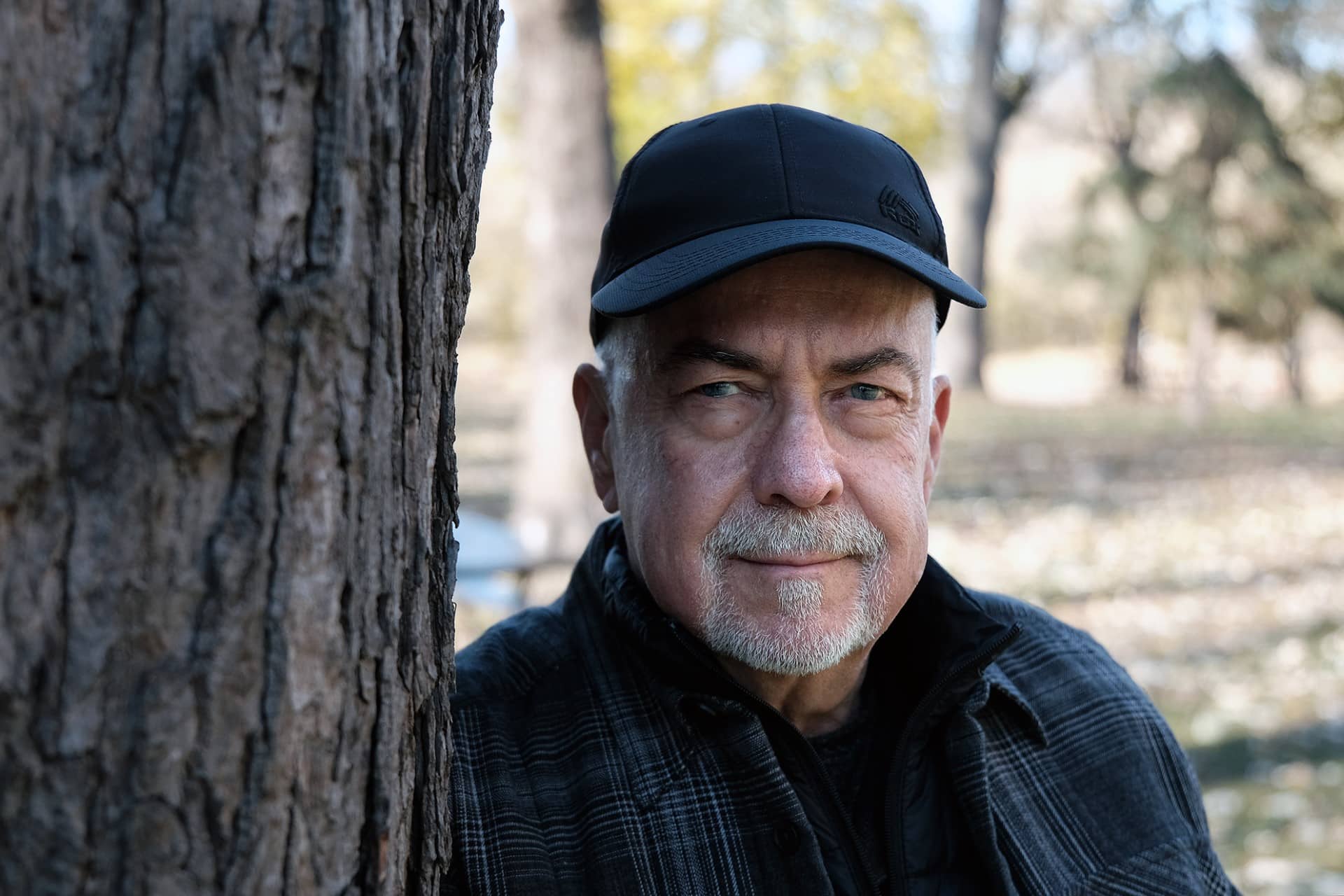
When his doctor told him that a kidney from an HIV-positive donor was available, Denis asked for a few hours to think it over. He was afraid of “superinfection,” being exposed to a different strain of HIV than the one already in his body.
The donor was brain-dead, giving Denis little time to weigh the risks, ask questions and make a decision. It had been such a difficult three difficult years that he agreed to receive the kidney.
This decision paved the way for a medical first at the CHUM: Denis became the first HIV-positive patient in North America to receive a kidney from an HIV-positive donor.
Improved quality of life
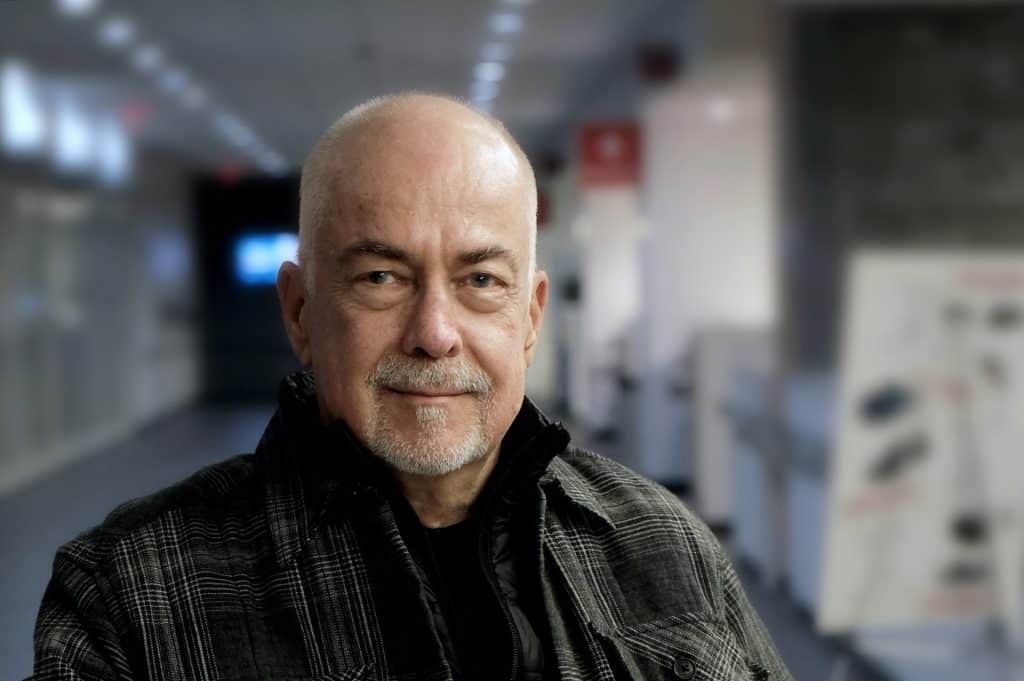
The changes were immediate. After years of having to limit his fluid intake and closely monitor his diet, Denis’s quality of life has improved significantly, allowing him to enjoy life again with fewer limitations.
However, for Denis, this fresh start is not just a personal victory. It is also an opportunity to change perceptions of HIV and the people who live with the virus.
Photo credit: Claude Guillet
Research: a source of hope
While treatments have dramatically transformed the lives of people with HIV, there is still no treatment that can eradicate the virus. This makes research key to making new discoveries and finding new solutions. For Denis, the care he has received at the CHUM and his transplant are concrete examples of what these breakthroughs can achieve.
Today, Denis continues to visit the CHUM every six months to monitor his new kidney and his chronic viral infection. His treatments keep his viral load undetectable, meaning that the HIV cannot be transmitted sexually.
His journey has given him valuable lived experience that he is now putting to use to help improve care. Since 2017, Denis has been a patient partner on various committees and working groups, contributing to discussions on healthcare and the patient experience. Through his involvement, he hopes to use his experience to help the CHUM’s teams and other patients and advance practices and the healthcare of the future.
Through his experience, he has seen the importance of a culture of innovation in healthcare. At the CHUM, this commitment to improving practices and pushing the boundaries of medicine goes hand in hand with his own desire to help improve the experience of the patients who come after him.
To better prevent, diagnose and treat diseases for patients like Denis, we need to rethink our approaches. This goal is what motivates our teams at the CHUM, who are more determined than ever to act faster than disease.