


“I want to break the silence surrounding mental illness because too many people suffer in silence. Thanks to your generosity, mental health therapies and treatments continue to evolve.”
— Gabriel Julien, treated by the CHUM for psychotic episodes
Gabriel Julien endured a long and difficult journey before becoming a peer support worker and an inspiring voice in the field of mental health. At a young age, he struggled with substance abuse and alcohol addiction, unaware that he was living with bipolar disorder. He did not receive his diagnosis until the age of 27.
Four psychotic episodes that changed his life
Over the course of his life, Gabriel has experienced four psychotic episodes. The first occurred while he was participating in the Quebec reality television show Loft Story—a life-changing moment that unfolded in the public eye. The second took place a few years later in Mexico, while under the influence of heavy drugs and alcohol.
Psychosis is a break from reality. In an interview with Journal de Montréal, Gabriel described it as a “complete loss of touch with reality”. For those who experience it, familiar reference points disappear and perceptions can become profoundly altered, making it difficult to distinguish what is real from what is not.
During the incident in Mexico, his condition quickly deteriorated. Gabriel was admitted to a local clinic to stabilize his situation and he stayed there for several days while his family worked to organize his return home. With the support of his aunt and uncle, a medical transport was arranged to bring him back to Canada.
For Gabriel and his loved ones, this second psychotic episode was a crucial turning point. The crisis revealed the extent of his suffering, but also underscored the vital role that family support plays in a mental health journey. It was during this period that his relatives truly banded together to help him access the care he needed.
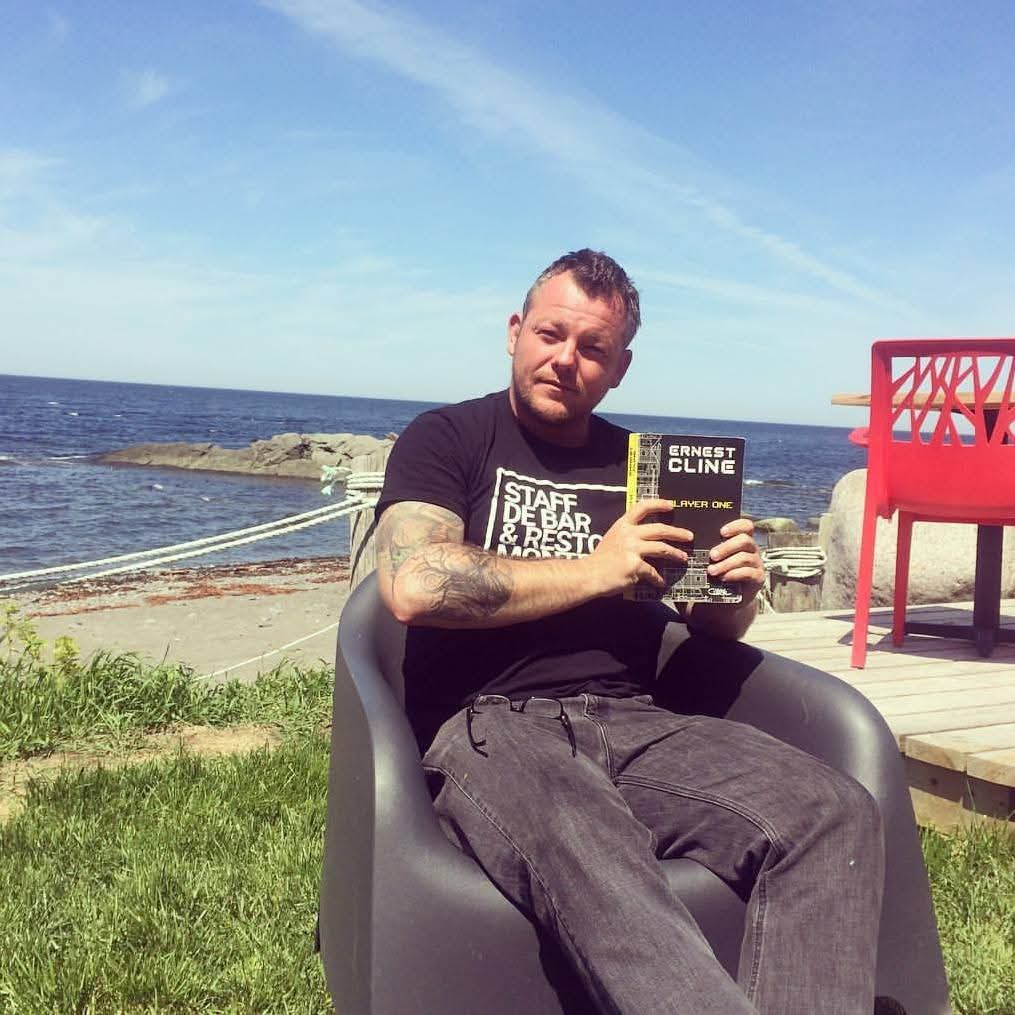
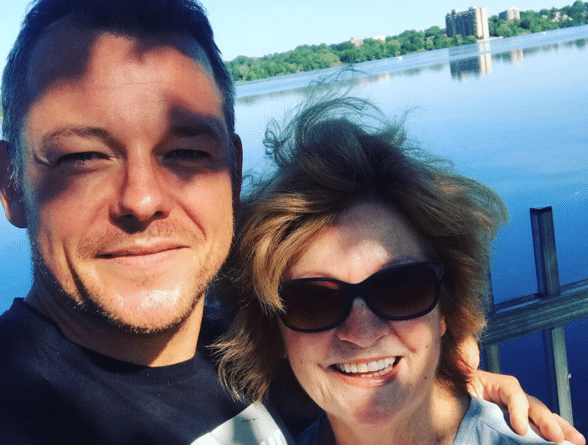
Family support: A critical part of living with mental illness
His Aunt Marielle played a key role in Gabriel’s journey. Her own story sheds light on what families may experience when a loved one goes through psychosis, while also highlighting the hope that can emerge when specialized care is available.
Innovative approaches to treating mental illness
Upon returning from Mexico, Gabriel was immediately referred to the CHUM’s JAP Clinic, targeting young adults experiencing psychosis. This decision would prove to be pivotal to Gabriel’s recovery.
“I was treated at this clinic for five years and the support I received changed my life. The care team was dynamic, the environment so reassuring. My psychiatrist, Dr. Amal Abdel Baki, had a particularly profound impact on my journey.”
Founded in 1999 by Dr. Béatrice Granger, alongside a small team of occupational therapists and social workers, the Jeunes Adultes Psychotiques (JAP) Clinic provides early intervention, intensive treatment and multidisciplinary care for young adults experiencing psychosis. Their approach was originally developed in Australia in the early 1990s, but has since spread around the world. Thanks to the CHUM Foundation and the generosity of its donors, the JAP Clinic continues to grow and now provides services to more than 300 youth every year.
The care and guidance provided by his psychiatrist and the JAP team helped Gabriel not only understand what had happened to him, but also recognize the warning signs of psychosis. This deeper understanding of his condition became essential to his recovery.
Several years later, Gabriel would experience two additional psychotic episodes. During the third, however, he recognized the signs early on. He quickly sought help and stayed with another aunt to safely get through that difficult period. The fourth occurred while he was working on an event production.
Today, Gabriel believes that his ability to recognize warning signs, supported by the vigilance of those around him, has helped him better manage his lifestyle and prevent future crises.
The knowledge he gained through the JAP Clinic and the mental health awareness tools they provided has enabled him to better understand his illness and regain control over his life.
From CHUM patient to peer support worker
Today, Gabriel is an active member of the CHUM community and remains deeply committed to the cause of mental health. In addition to working as a peer support worker, he delivers talks, organizes walks and leads numerous initiatives aimed at raising awareness about mental illness.
“I have made this cause my life’s mission. I want to give back what I received when I most needed help and pave the way for other peer support workers. Early and intensive professional care, along with positive role models to look up to, can make an enormous difference in a recovery journey.”
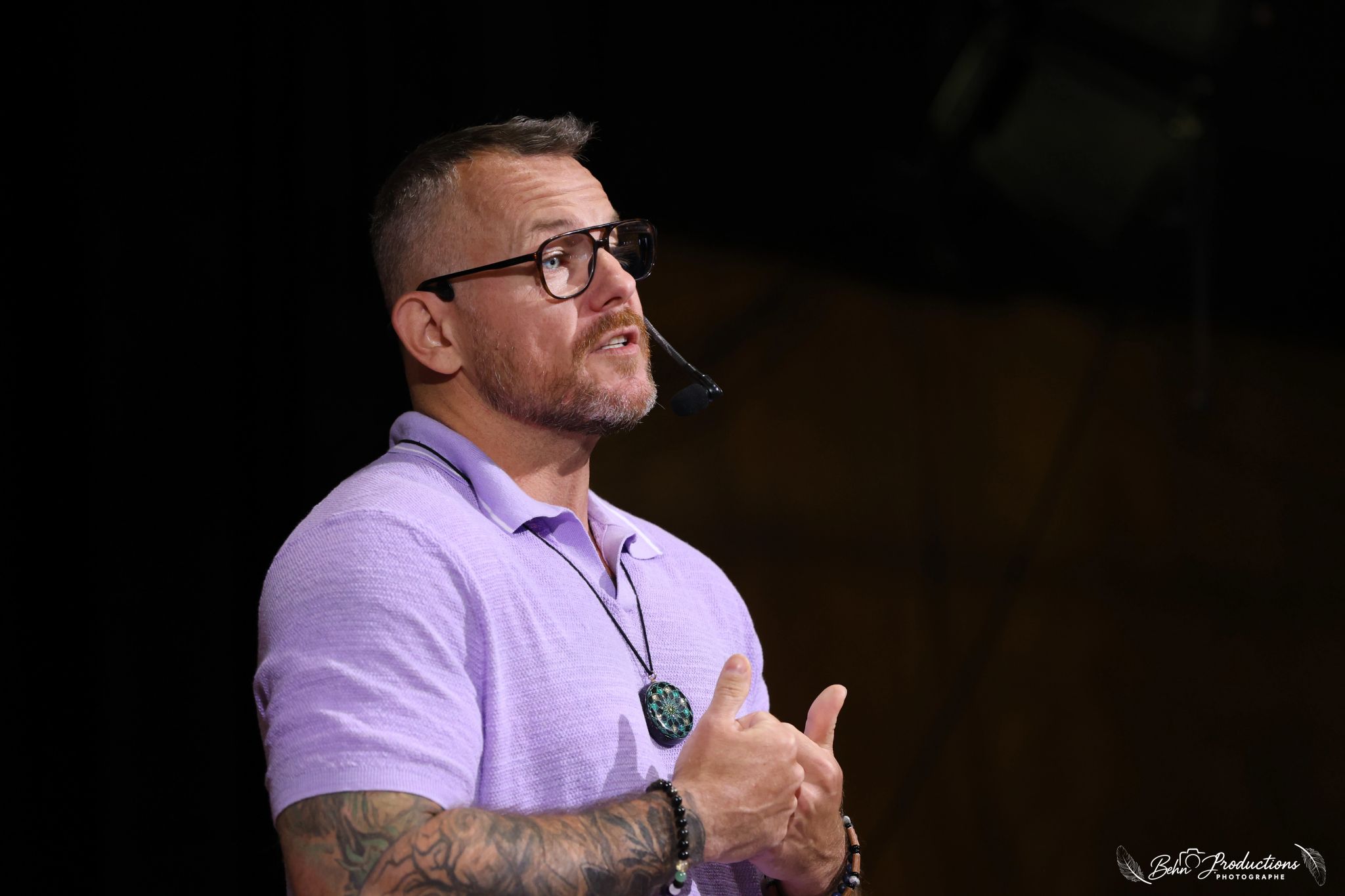
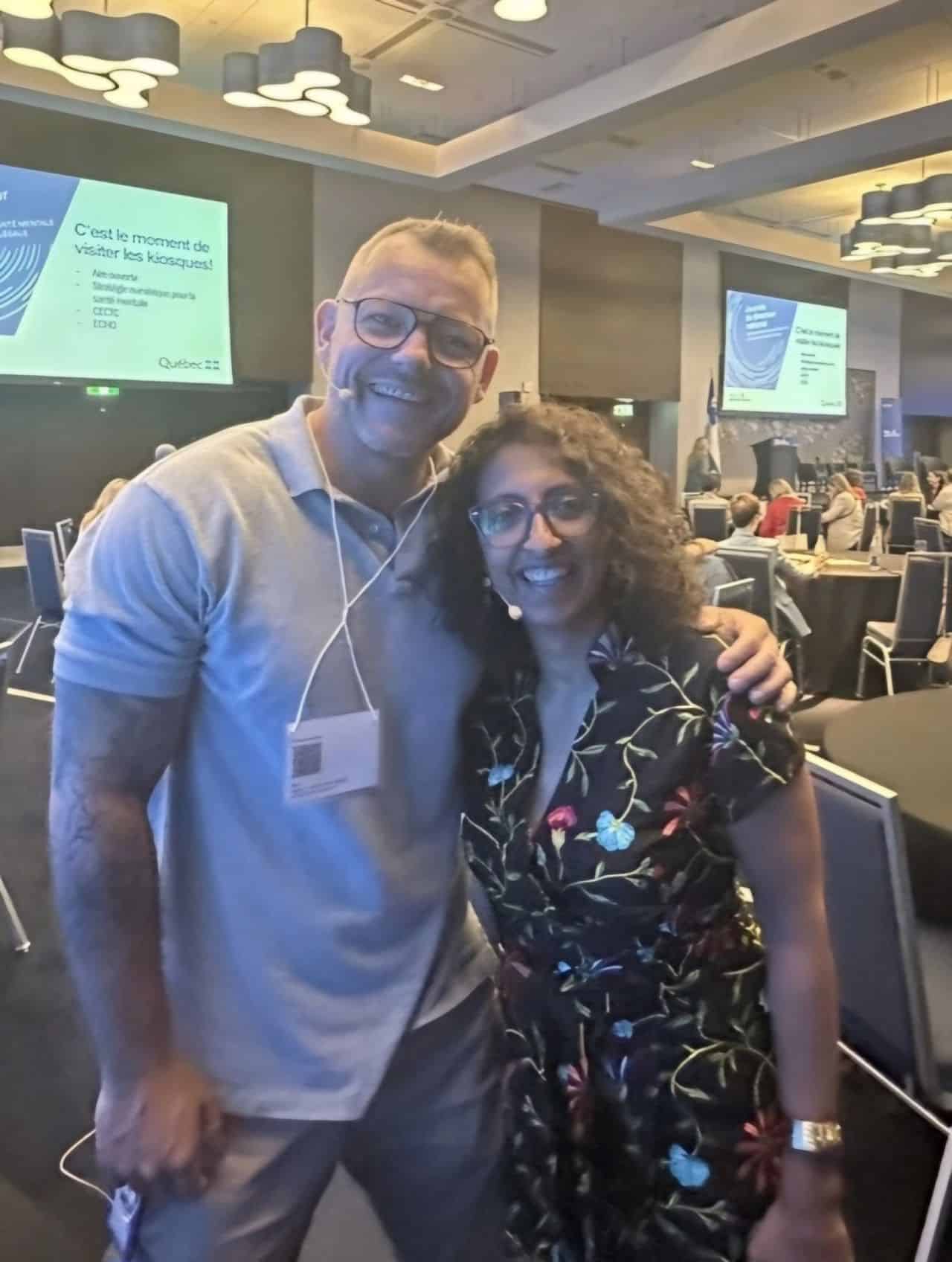
For Gabriel, continuing to educate and inform the public is crucial to reducing the stigma that still surrounds mental illness. He also strongly believes in supporting research, which helps deepen our understanding of mental health disorders and leads to increasingly effective treatments.
His connection with the CHUM only grows stronger over time. Even though it’s been years since his treatment at the JAP Clinic, he stays in touch with Dr. Amal Abdel Baki. In fact, they often meet at conferences and events dedicated to mental health, a powerful reminder of how far he has come on his recovery journey.
Through his involvement, Gabriel hopes to share a message of hope: with timely access to specialized care, the support of loved ones and the right tools, it is possible to reclaim one’s life and build a meaningful future.
To better prevent, diagnose and treat diseases for patients like Gabriel, we need to rethink our approaches. This goal is what motivates our teams at the CHUM, who are more determined than ever to act faster than disease.